
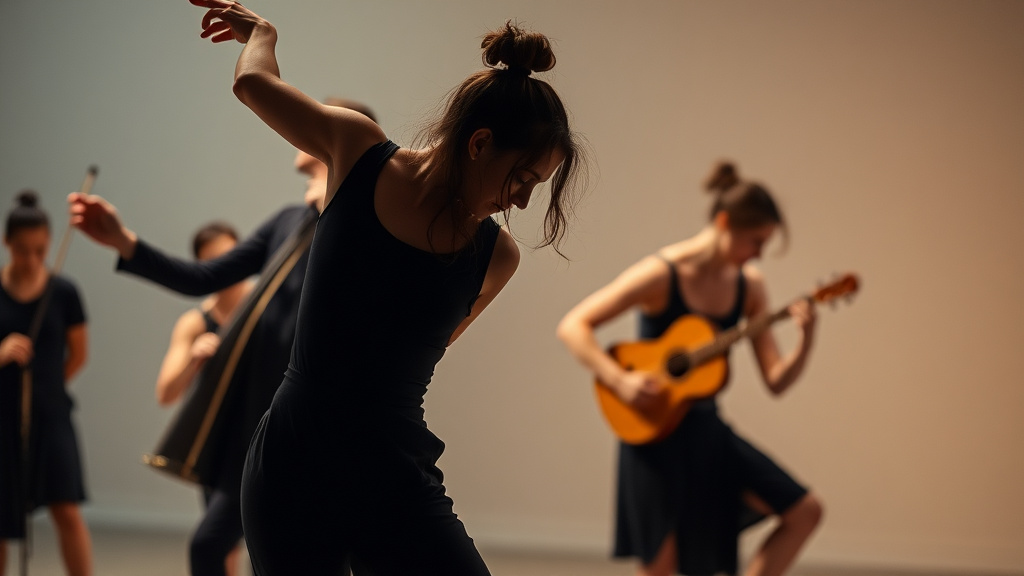
The dividing lines between dance and music are dissolving as choreographers and musicians increasingly join forces to create cutting-edge performances that go beyond traditional artistic silos. By combining dance and live composition, these joint ventures are reshaping how audiences engage with the arts. This article investigates how innovative interdisciplinary projects fuse dance with composition to produce engaging experiences that challenge conventions, amplify emotional impact, and push creative possibilities. Discover the artistic methods, acclaimed joint projects, and dynamic possibilities of this dynamic artistic fusion.
The Evolution of Dance and Music Collaboration
The relationship between dance and music has been present for centuries, yet the nature of their collaboration has profoundly evolved. Historically, choreographers developed choreography to support existing musical compositions, positioning music as the primary creative force. However, contemporary practitioners are reconceiving this hierarchy, treating dance and music as collaborative equals in creative work. This shift reflects wider transformations in how artists conceptualize collaborative projects, departing from hierarchical structures toward genuine collaborative dialogue.
Throughout the twentieth century, innovative artists started exploring with increasingly unified methods to combining these art forms. Composers like John Cage challenged conventional relationships between sound and movement, while choreographers such as Merce Cunningham deliberately separated dance from music to explore their independent possibilities. These experimental approaches laid crucial groundwork for modern collaborations, demonstrating that dance and music could function in productive tension rather than perfect unity. Their innovations inspired future generations to question assumptions about how these fields should relate.
Today’s collaborative landscape reflects years of artistic experimentation and cultural evolution. Contemporary dance artists and composers leverage technology, multimedia elements, and cross-disciplinary thinking to create works that would have seemed impossible in previous periods. These contemporary partnerships center on shared artistic contribution from initial concept to final performance, resulting in performances where no single discipline takes precedence. This development represents a advancement of cross-disciplinary collaboration, where both dance and music contribute equally to shaping audience experience and artistic meaning.
Breaking Boundaries Via Creative Partnership
When dance creators and composers combine their distinct artistic visions, they create a powerful synergy that transcends individual disciplines. This joint creative process breaks down traditional barriers, allowing each artist to influence and inspire the other in real-time. The result is a cohesive artistic experience where dance and music are inseparable, producing performances that feel organic and deeply connected rather than merely placed side by side.
Joint Creative Processes
The artistic alliance between choreographers and musicians begins with direct conversation and mutual respect for both art forms. Rather than one artist adapting to the partner’s creations, genuine partnership involves parallel creative evolution where inspiration travels back and forth. Dancers can spark musical pieces through kinetic expression, while composers influence the bodily movement through innovative rhythmic approaches and harmonic decisions.
This combined approach calls for adaptability and readiness to let go of fixed ideas about how music and dance should interact. Team members often uncover unexpected possibilities when they emphasize the group’s unified direction over individual artistic preferences. The creative work turns experimental, with both artists sharing equal input to idea formation, practical implementation, and aesthetic enhancement throughout the entire creative journey.
- Set up open lines of communication among all team members
- Schedule regular rehearsals combining movement and sonic experimentation
- Formulate shared artistic vision statements before production starts
- Dedicate time for experimentation and creative risk-taking processes
- Document collaborative discoveries for ongoing growth and future use
Successful interdisciplinary collaborations demonstrate that vulnerability and openness improve artistic outcomes substantially. When dancers and composers embrace uncertainty and have confidence in their colleagues’ knowledge, they unlock creative opportunities neither could realize on their own. This mutual investment in shared creative vision ultimately produces performances that connect genuinely with audiences, delivering meaningful moments through seamlessly integrated artistic expression.
Influence and Trajectory of Multidisciplinary Performance
The collaborative efforts between dance choreographers and musicians have already revealed significant effects on current artistic performance. Audiences now encounter increased emotional engagement as coordinated motion and live music create multisensory experiences that go beyond traditional solo performances. These interdisciplinary collaborations have engaged broader audiences, increased financial support, and motivated new creators to explore blended artistic methods. The achievements of these collaborations establishes that transcending creative limits produces innovative works that strike a chord with current spectators desiring novel engaging cultural moments.
Looking ahead, the future outlook of interdisciplinary performance looks increasingly favorable as technological advancements facilitate new artistic opportunities. Virtual reality, projection mapping, and interactive digital features will allow choreographers and musicians to explore new artistic frontiers. Academic institutions are beginning to recognize the importance of cross-disciplinary training, creating initiatives that promote collaboration between dance and music students. This institutional support will nurture a fresh wave of artists able to effectively combine diverse artistic forms, ensuring continued innovation and evolution within the performing arts sector.
The enduring legacy of dance-music collaborations resides in their ability to push back against artistic conventions and redefine audience expectations. As these partnerships remain in evolution, they establish new standards for creative achievement and listener involvement. The cross-disciplinary approach demonstrates that art flourishes when boundaries dissolve and artists adopt collaborative possibilities. Looking ahead, these innovative performances will undoubtedly shape the cultural landscape, inspiring ongoing exploration and proving that the most powerful artistic expressions emerge when diverse creative voices unite toward shared artistic vision.
