
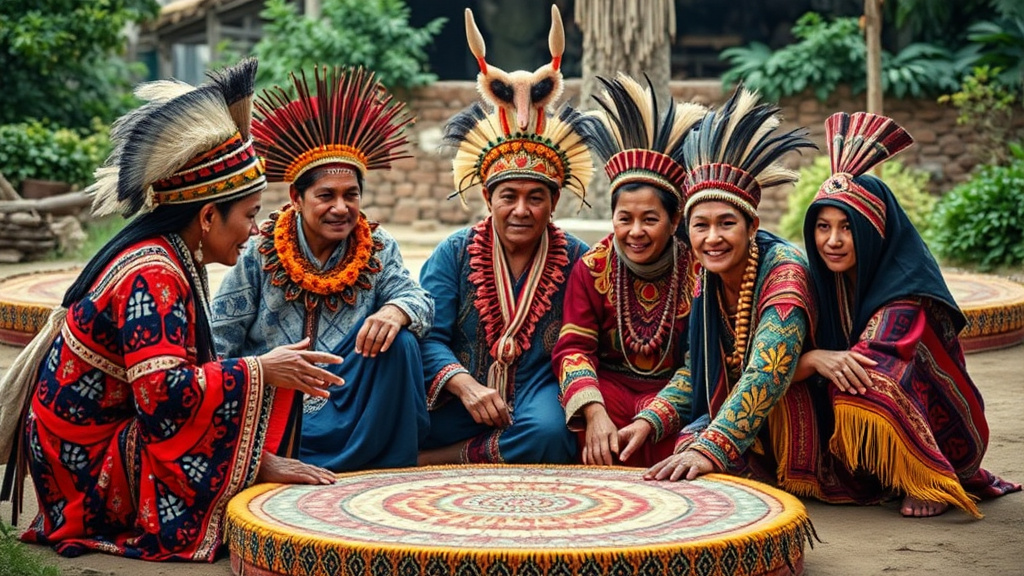
Indigenous art forms, historically limited to grassroots populations and overlooked by mainstream audiences, are experiencing an unprecedented global renaissance through online channels. Online networks, internet-based showcases, and content delivery services have dismantled geographical barriers, permitting artists from distant locations to present their traditional crafts, musical works, and visual arts to millions worldwide. This article examines how technology is transforming the recognition and preservation of indigenous creative output, analyzing the significant influence of online channels on artistic prominence, financial prospects, and the future of ancestral creative heritage.
Digital Evolution of Classical Artistic Practices
The digital transformation of indigenous art forms represents a fundamental shift in how conventional artistic practices connects with international viewers. Digital platforms have enabled indigenous artists to bypass traditional intermediaries, such as galleries and publishing houses, establishing direct links with worldwide audiences. This opening up of access pathways has enabled artisans to preserve artistic autonomy while broadening their audience significantly. Visual media, video content, and digital archiving have revolutionized how traditional arts are displayed, making them accessible to people across continents who might not typically experience these rich cultural expressions.
Technology has further enabled the safeguarding and cataloging of endangered art forms facing extinction due to assimilation into dominant cultures and loss of intergenerational knowledge. Digital archives, online tutorials, and virtual exhibitions act as collections of cultural knowledge, guaranteeing that traditional techniques and cultural narratives are preserved for generations to come. Indigenous communities now leverage these tools to reclaim narratives about their cultural legacy, challenging historical misrepresentations and creating genuine representation in the international cultural discourse. This digital enablement has bolstered cultural pride while creating sustainable pathways for cultural advancement.
Social Media as a Worldwide Market
Social media platforms have evolved into dynamic marketplaces where indigenous artists earn income from their work and build loyal international fan bases. Instagram, TikTok, and Facebook enable creators to showcase their creative process, tell cultural stories, and establish personal connections with collectors worldwide. These platforms provide real-time feedback mechanisms, allowing artists to understand market preferences while protecting their artistic values. The visual-centric nature of social media particularly advantages indigenous visual arts, textiles, and crafts, which shine through imagery and video content, opening fresh revenue streams.
The algorithmic scope of social platforms has converted emerging artists into worldwide stars rapidly, producing success stories that motivate entire communities. Indigenous artists have utilized trending hashtags, collaborations, and influencer collaborations to boost reach while remaining rooted in cultural traditions. Direct consumer sales through social commerce features have eliminated intermediaries, letting artists keep all earnings. This economic empowerment extends beyond single creators, frequently supporting entire communities through collaborative initiatives and unified brand-building programs.
- Instagram showcases artistic works and textile creations to worldwide viewers daily
- TikTok enables brief video presentations of traditional artistic techniques
- Facebook groups support community building among native artist communities
- YouTube provides spaces for extended narratives about culture and learning materials
- Pinterest boosts discovery and sales of indigenous crafts and decorative arts
Heritage Conservation Through Digital Innovation
Digital spaces have become invaluable tools for safeguarding traditional artistic practices that face extinction due to contemporary changes and cultural blending. By building enduring digital documentation of ancestral methods, cultural performances, and creative expertise, communities can preserve their cultural heritage for future generations. Online archives and virtual museums ensure that traditional customs remain available and recorded, even as young people move to cities or seek different professional opportunities.
Digital innovation enables indigenous artists to maintain cultural continuity while adapting to contemporary contexts. Digital tools allow artisans to document their creative processes, share instructional content, and establish communities of practitioners across geographical boundaries. This technological integration reinforces cultural identity and opens new pathways for information sharing, ensuring that traditional art forms develop rather than disappear in an increasingly globalized world.
Documentation and Archive Initiatives
Specialized digital solutions focused on indigenous art archival have emerged globally, delivering protected storage for artistic resources. These initiatives employ sophisticated systems including 3D scanning, detailed imaging, and visual documentation to capture intricate details of cultural creations. Organizations partner with indigenous communities to guarantee culturally appropriate access management and appropriate representation of protected artistic traditions and customs.
Collaborative archiving efforts unite indigenous artists, scholars, and technologists in extensive documentation work. These undertakings prioritize indigenous stewardship and control over cultural materials, setting protocols that uphold intellectual property rights and cultural protocols. By combining traditional knowledge with digital infrastructure, these archives create sustainable models for safeguarding that empower indigenous communities as keepers of their own cultural narratives.
- 3D scanning technology captures precise artwork measurements and intricate surface textures.
- Video documentation preserves conventional methods and creative practices for later research.
- Community-managed digital collections guarantee appropriate access and cultural protocol compliance.
- Multilingual digital platforms provide native art information available worldwide.
- Cloud-based archives provide secure, long-term preservation from material decay.
Economic Opportunities and Community Impact
Digital platforms have significantly altered the financial environment for indigenous artists, generating unprecedented revenue streams that directly benefit communities. By sidestepping conventional middlemen and gatekeepers, artists can now maintain greater returns from their sales, reinvesting earnings into cultural preservation initiatives and local improvement initiatives. This opening of markets has allowed thousands of indigenous creators to reach economic stability through their artistic practices, ending patterns of systemic disadvantage that long impacted these communities.
Beyond individual artist success, digital platforms have catalyzed broader community development by fostering collaborative economic models. Collective online stores, cooperative galleries, and artist networks strengthen purchasing power while upholding cultural authenticity and values. Revenue derived from digital sales supports education programs, apprenticeships for next-generation creators, and infrastructure improvements in indigenous territories. This economic empowerment enhances cultural identity and generates encouragement for youth to engage in traditional art forms, ensuring cultural knowledge transfer and artistic continuity.
Direct Artist Revenue and Equitable Trade Practices
Digital marketplaces have revolutionized how indigenous artists profit from their work, removing exploitative intermediaries who historically took the majority of profits. Direct-to-consumer sales through websites, social media, and specialized platforms enable artists to establish fair pricing reflecting their expertise and cultural value. Clear payment processes build consumer trust while allowing artists receive equitable compensation. This move to direct sales has strengthened communities economically while protecting the integrity and cultural significance of their artistic traditions.
Ethical trade digital platforms specifically designed for indigenous creators establish responsible practices guaranteeing just remuneration and respectful representation. These platforms prioritize artist support, cultural dignity, and long-term viability over profit-driven goals. Verification processes verify authentic indigenous origin while defending cultural heritage from unauthorized use. By linking ethical buyers with indigenous artists, fair trade models create viable economic opportunities while advancing cultural pride and economic independence within communities.
- Open pricing frameworks confirm artists get competitive market rates compensation.
- Shared platforms facilitate joint negotiation and collaborative marketing assets efficiently.
- Electronic wallets and payment systems deliver secure, accessible financial transactions globally.
- Distributed ledger technology guarantees authenticity verification and prevents fraudulent indigenous pieces.
- Income sharing structures support community resources and cultural preservation initiatives.
