
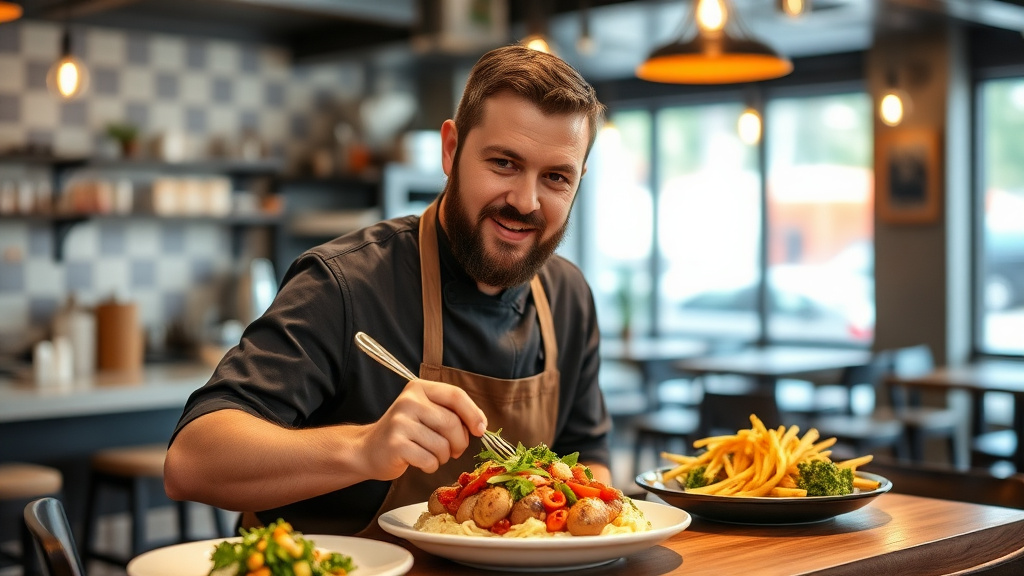
In a decisive move toward sustainable practices, renowned celebrity chef Marcus Wellington has launched his most recent restaurant project: a farm-to-table restaurant concept that prioritizes sustainable, locally-sourced ingredients. This groundbreaking restaurant marks a major change in fine dining, challenging traditional restaurant models by working closely with area farmers and artisans. Discover how Wellington is transforming contemporary cooking while strengthening local areas, minimizing ecological footprint, and proving that high-quality dishes and environmental stewardship can flourish together in the modern sustainable food scene.
The Strategy Behind the Latest Concept
Chef Marcus Wellington’s new restaurant concept arises out of a strong personal principle that upscale cuisine and sustainable practices are not mutually exclusive. Wellington envisions a culinary journey where all offerings shares a narrative of local partnership and responsible sourcing. By creating direct connections with local growers and artisanal producers, the restaurant creates a clear sourcing system that serves both diners and local areas. This approach transcends simply sourcing ingredients; it constitutes a fundamental reimagining of how restaurants can operate as positive forces within their ecosystems while delivering exceptional gastronomic quality.
At its heart, Wellington’s vision confronts the increasing divide between diners and their food sources. The concept challenges the conventional fine dining model by showing that locally-sourced seasonal cooking can enhance rather than limit gastronomic creativity. By committing to eco-conscious operations, the restaurant aims to spark systemic shifts while proving that mindful eating enhances rather than diminishes the dining experience. This approach appeals to contemporary diners who constantly look for authentic relationships between their meals, their communities, and the environment.
Sourcing and Sustainability Practices
Chef Marcus Wellington’s new restaurant concept is grounded in responsible sourcing and environmental commitment. Every component that enters the kitchen has been meticulously curated based on sustainability benchmarks, seasonal availability, and proximity to the establishment. This promise reaches beyond mere marketing; it reflects a foundational belief that informs menu planning, vendor partnerships, and operational decisions. By emphasizing local suppliers, Wellington lowers delivery-related carbon output while maintaining superior ingredient quality and high standards.
Local Farmer Alliances
The restaurant has built direct relationships with more than thirty regional farms and producers within a hundred-mile radius. These partnerships extend past basic purchase agreements; they constitute cooperative endeavors where chefs and farmers stay in touch about crop planning, harvest fluctuations, and culinary innovations. Wellington regularly tours partner farms each quarter to preserve these relationships and grasp the challenges farmers face. This strategy ensures reliable quality while offering farmers reliable markets for their sustainability efforts.
By establishing ongoing partnerships with local producers, the restaurant provides economic stability that enables farmers to adopt sustainable farming methods. These partnerships have already produced the development of unique produce types tailored to the restaurant’s gastronomic approach. The shared advantages extend to customers, who benefit from transparency and the understanding that their food directly support regional farming operations and environmentally responsible farming practices.
Environmental Impact Goals
Wellington has established ambitious environmental targets for the restaurant, including reaching carbon neutrality in three years of opening. The venue employs renewable energy sources, operates extensive waste reduction programs, and runs a robust composting system that redirects organic materials from landfills. Water conservation measures encompass harvested rainwater and efficient kitchen technologies. These initiatives demonstrate that fine dining establishments can run successfully while minimizing their environmental footprint and serving as models for sector-wide sustainability.
The restaurant’s environmental performance indicators are monitored openly and disclosed to the public through regular sustainability reports. Goals include minimizing food waste to under five percent, obtaining all of produce from local sustainable sources, and eliminating single-use plastics by the second year. Wellington believes that openness and responsibility are crucial to substantive environmental improvement. By publishing these metrics, the restaurant invites scrutiny while inspiring other establishments to adopt similar practices and collectively drive positive change within the hospitality industry.
Menu Innovation and Culinary Excellence
Chef Wellington’s menu represents a revolutionary approach to contemporary cuisine, where artistic vision aligns with sustainability. Each dish is precisely designed to highlight the pure flavor profiles of locally obtained produce while minimizing processing and transportation. The chef partners with what’s in season, allowing the menu to shift seasonally. This adaptive method not only reduces waste but also challenges his kitchen staff to maintain constant innovation, resulting in dishes that are environmentally conscious and remarkably tasty, setting higher benchmarks for responsible upscale dining.
The restaurant showcases a rotating menu that updates every two weeks, showcasing the seasonal produce from partner farms and producers. This strategy guarantees maximum freshness while building stronger relationships with regional producers who understand Wellington’s exacting standards. Diners can expect novel flavor profiles and thoughtful presentation that emphasize the quality of ingredients rather than depending on artificial enhancements. The chef’s commitment to transparency means each dish includes information about its origins, allowing guests to understand the path from source to plate and understand the sustainability impact of their meal.
Wellington has instructed his kitchen staff comprehensively in environmentally conscious cooking practices, stressing zero-waste practices and nose-to-tail utilization of ingredients. Every element of procured ingredients is used inventively, from vegetable scraps made into stocks to animal waste products incorporated into innovative dishes. This philosophy extends beyond the kitchen, influencing plating choices and packaging options. The result is a culinary experience that illustrates how ecological accountability and cooking excellence are not opposing goals but mutually reinforcing objectives that enhance the meal experience and motivate guests to reassess their own consumption choices.
