
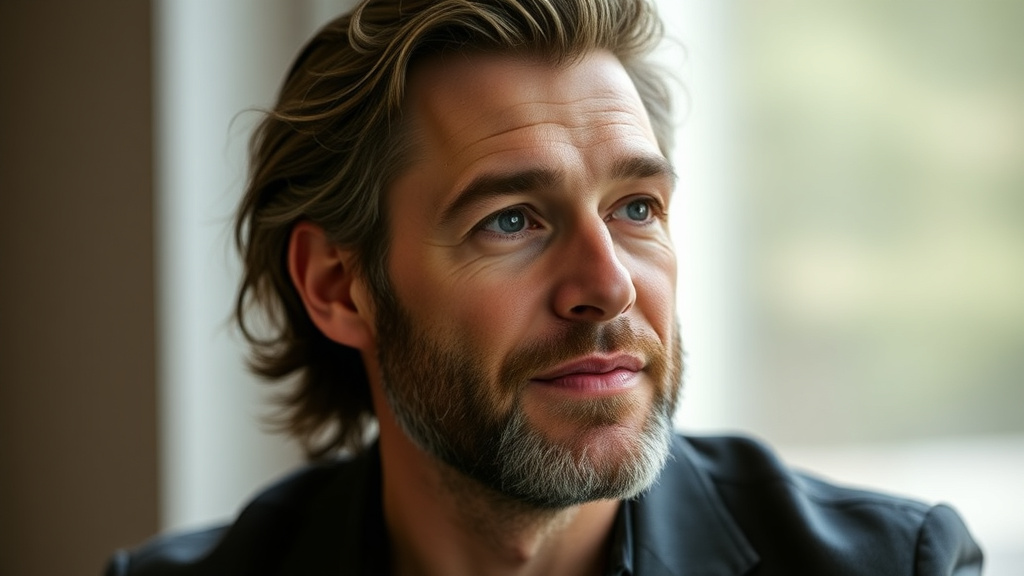
In a honest and reflective interview, an celebrated and decorated actor speaks out about the hidden battles that nearly derailed his career and life. Behind the glamorous red carpets and accolades lies a powerful story of depression, anxiety, and the path toward recovery toward healing. This article delves into how he managed his darkest moments, pursued treatment, and found strength. His courageous testimony offers hope to millions struggling silently and reframes conversations around mental health in Hollywood.
The Turning Point: When Victory Left a Void
Despite achieving every professional achievement he’d dreamed of, the acclaimed actor found himself spiraling into an unexpected darkness. Awards filled his shelves, roles poured in, and audiences cherished him, yet internally, he felt intensely detached and void. The contradiction between external approval and internal torment created a bewildering paradox that left him challenging his own sanity. Success, which should have brought contentment, instead heightened his sense of loneliness and self-doubt, revealing that accomplishment on its own cannot heal underlying psychological damage.
The critical moment came when maintaining his public image became physically and emotionally exhausting. Behind closed doors, he fought severe anxiety that made even basic everyday activities feel insurmountable. Sleep became hard to come by, appetite disappeared, and the joy he once found in acting vanished entirely. He understood that his meticulously crafted persona masked a person battling just to make it through each day. The pressure to appear grateful and composed while experiencing such profound pain created an emotionally unsustainable strain that demanded prompt help.
Friends and family detected subtle changes in his behavior, though he expertly deflected their concerns with well-rehearsed wit and charm. His agent attributed his withdrawn demeanor to exhaustion from back-to-back film projects, a practical rationale that allowed everyone to avoid deeper conversations. However, the actor knew something was fundamentally wrong. The drugs he was taking failed to tackle the underlying source of his distress, and therapy felt like another obligation rather than genuine healing. He existed in a state of emotional detachment, going through the motions rather than actually experiencing it.
The breaking point happened suddenly during a acclaimed awards gala where he took home Best Actor for his most lauded part. Standing on that stage clutching his trophy, surrounded by thunderous applause and prolonged cheers, he felt a moment of stark clarity. Rather than feeling triumphant, he felt utterly hollow and adrift. That night, alone in his hotel room, he ultimately acknowledged to himself that he couldn’t go on this way. The facade had become too tiring to keep up. And he understood that getting assistance wasn’t weakness but a matter of survival.
This moment of brutal honesty signaled the start of his transformation. He grasped that no degree of career achievement could replace genuine mental wellness and personal acceptance. The understanding that his worth went well past praise and public recognition became the impetus for transformation. He made the brave choice to withdraw from his demanding schedule and prioritize his emotional wellness above all else. This action, though daunting, constituted the earliest real decision he’d taken in a long time.
Opening up about his struggles required considerable courage, particularly within an industry that often stigmatizes mental health issues as career-threatening liabilities. Yet he saw that his silence reinforced the stigma that had worsened his pain. By opting to share his story about his moment of crisis, he wanted to encourage others to seek help without fear of being judged. His journey from that dark hotel room to recovery would ultimately become a beacon of hope for countless individuals facing comparable hidden struggles.
Finding Assistance and Beginning Your Healing Process
The critical moment in the actor’s life came when he finally acknowledged that he couldn’t confront his challenges alone. After extended rejection and attempting to mask his symptoms with employment and substance use, he made the brave choice to obtain expert assistance. This pivotal moment marked the start of his change, as he understood that acknowledging vulnerability wasn’t weakness but rather the first step toward genuine recovery and rebuilding his existence.
Reaching out for help demanded tremendous courage, particularly given the negative perception associated with mental health in the show business. He started going to therapy treatments and surrounding himself with people who sincerely supported his mental health. The decision to prioritize his emotional health before his career obligations became the most important investment he could make, which resulted in a healthier, more authentic version of himself.
Therapeutic and Professional Assistance
Finding the suitable therapist was crucial in the actor’s recovery journey. He partnered with a therapist who had expertise in treating depression and anxiety in demanding settings. Through ongoing therapy work, he developed coping mechanisms and gained deeper insights into the underlying factors of his difficulties. The therapeutic bond functioned as a refuge where he could explore his emotions without fear of judgment or public exposure.
Beyond one-on-one counseling, the actor also investigated different healing methods to tackle his emotional health comprehensively. He found that integrating various treatment methods created a more robust framework for his rehabilitation. Professional support went further than just talking; it included actionable techniques and techniques he could apply regularly. This comprehensive strategy to treatment substantially improved his path to wellness and gave him lasting strategies for addressing his emotional health.
- Cognitive-behavioral treatment revealed unhelpful thinking patterns
- Pharmaceutical management improved chemical imbalances in his brain
- Mindfulness techniques reduced anxiety and enhanced mood management
- Group therapy linked him with others dealing with comparable challenges
- Holistic wellness activities enhanced traditional psychiatric treatment
Life Beyond Recovery: A New Perspective
Embracing a New Life
Since completing his recovery journey, the actor has experienced a significant change in how he views achievement and satisfaction. Rather than gauging value through accolades and public recognition, he now emphasizes mental wellness and authentic connections with family and friends. This shift has allowed him to tackle his craft with renewed passion, choosing roles that speak to him rather than those motivated by industry expectations. His perspective on life has become increasingly centered and purposeful, demonstrating a maturity that extends well past his professional achievements.
The actor ascribes his support network as instrumental in preserving his emotional wellbeing. Ongoing therapeutic work, mindfulness exercises, and honest dialogue with family members serve as the cornerstone of his daily routine. He highlights that improvement isn’t an endpoint but a continuous journey requiring sustained dedication and self-awareness. By making these practices common, he demonstrates that seeking help and maintaining mental wellness are indicators of courage, not weakness. His resolve serves as an inspiration to individuals dealing with alike difficulties.
Contributing and Social Impact
Recognizing his platform’s influence, the actor has emerged as a strong voice for mental health awareness in the entertainment industry. He consistently champions organizations dedicated to research into mental health and access to care, using his celebrity status to amplify important conversations. Through interviews, social media engagement, and charitable partnerships, he works to destigmatize mental illness and encourage others to pursue professional help. His advocacy extends beyond Hollywood, reaching diverse audiences who benefit from his authentic narratives and real dedication to change.
The actor has created a foundation designed to delivering psychological services to underrepresented populations. This initiative reflects his view that quality mental healthcare should be accessible to everyone, regardless of socioeconomic status. By channeling his personal experience into purposeful work, he converts his struggles into a force behind systemic change. His charitable work illustrate that recovery can fuel goal-oriented projects that helps society. Through these initiatives, he maintains a legacy that surpasses his film career.
Going Forward with Hope
Today, the actor represents a testament to the capacity for recovery and reinvention. His journey from darkness to light has profoundly altered his identity, enabling him to live authentically and purposefully. He remains committed to his passion for acting while preserving clear limits that protect his emotional stability. The balance he has achieved serves as a powerful example that achievement and wellbeing are not mutually exclusive. His story illustrates that vulnerability and strength exist together, inspiring numerous individuals facing their own struggles.
As he looks forward to the future, the actor continues with his recovery and advocacy work. He inspires people to embrace their own journeys, whatever form they may take, with kindness and tolerance. His message is clear: recovery is achievable, healing is genuine, and seeking help is courageous. By continuing to share his story openly, he supports a societal change that places value on mental health together with physical wellness. His legacy will eventually be measured not through awards, but by the individuals he has reached and the hope he has fostered within others dealing with mental health challenges.
